
Do NOT store damaged or defective lithium batteries, such as those that are swollen, overheating, punctured, or leaking. These require special handling due to their increased safety risks and SHOULD be brought to a Household Hazardous Waste Facility promptly.
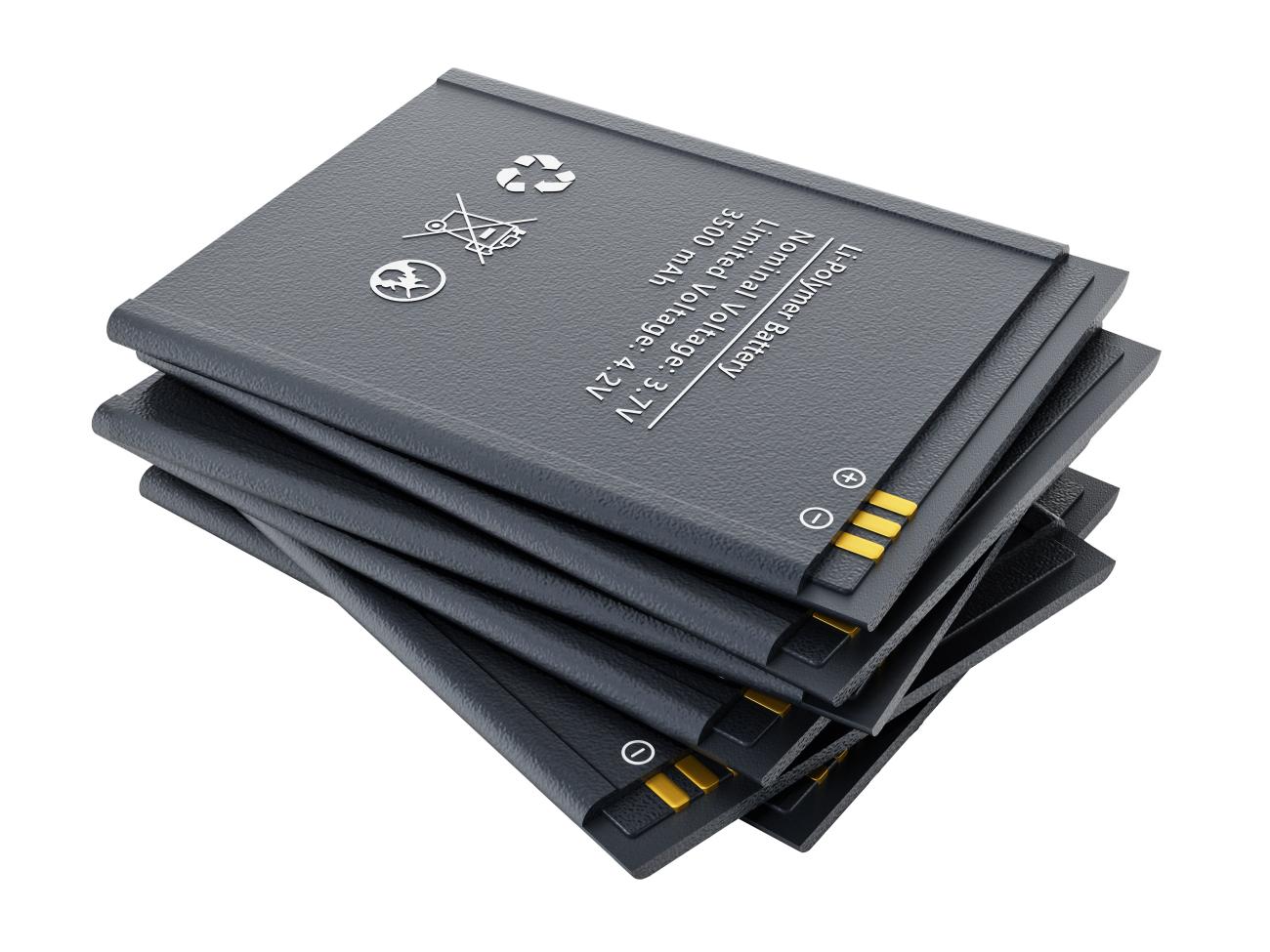
Improperly disposed lithium batteries can cause fires in trash trucks, recycling centers and waste facilities and should NEVER be thrown into the trash or recycling. Lithium-ion batteries SHOULD be dropped off at a separate battery recycling collection site or household hazardous waste facility for safe disposal.
With their use becoming more common in everyday items, safe disposal of lithium batteries is more important than ever. Wake County accepts many common household batteries at Household Hazardous Waste Facilities, including lithium-ion.
Why it matters
Lithium-ion batteries can ignite when crushed or damaged, causing "thermal runaway," where they overheat, ignite and burn everything in contact with them. These fires are a growing problem nationwide and can damage collection vehicles, recycling equipment and waste facilities. Wake County lost a Household Hazardous Waste Facility in 2025 due to a lithium battery fire, and rebuilding will cost over 1.5 million dollars.
North Carolina law is changing too: a ban on disposing of lithium-ion batteries in landfills or incinerators takes effect on Dec. 1, 2026. This law, SL 2023-137, empowers local governments to enforce proper battery disposal.
Be Aware!
Many common household items may contain lithium batteries. Smartphones, laptops, power tools, hearing aids, greeting cards, electric toothbrushes, watches, smoke detectors, cordless vacuums, flashlights, and toys may all contain lithium batteries.
We accept most batteries:
- Single-use/alkali (AA/AAA, 9V, D cells)
- Lead acid (vehicles) – limit 6 / day
- Rechargeable (phone, toy, tool, computer)
Not accepted: Lithium/metal hydride car batteries/generator batteries from electric vehicles.
How to prepare batteries for drop-off
Step 1: Tape or Bag
Tape both the positive and negative terminals on lithium-ion batteries OR place them in individual plastic baggies to prevent short circuits. If taping, use non-conductive tape, such as electrical, duct, or packing tape. Clear tape is preferred, so handlers can read battery chemistry. Avoid masking, painters, or Scotch tapes, as they easily peel off in transit. If using non-clear tape, keep the battery chemistry visible, i.e. "Li-ion".
Step 2: Store
Place batteries in a non-conductive, non-airtight container, such as a plastic tub or glass jar. Do not use a metal container. Do not put a lid on the container. Batteries we accept:
- Alkaline (AA, AAA, C, D, 9V, including button cell)
- Lithium-primary (Li-metal)
- Rechargeable
- Lead-acid (12V)
- Lithium-ion (Li-ion)
- Nickel-cadmium (NiCd)
- Nickel-metal hydride (NiMH)
Store in a cool, dry place away from children. Drop them off when passing or within six months to minimize fire risk. NEVER store damaged or defective lithium batteries, drop these off promptly.
Step 3: Drop off
Drop off at your nearest household hazardous waste facility:
- East Wake
5051 Wendell Blvd.
Wendell, NC 27591
Saturday and Sunday only, 8 a.m.–4 p.m. - North Wake
9037 Deponie Drive
Raleigh, NC 27614
Saturday only, 8 a.m.–4 p.m. - South Wake
6150 Old Smithfield Road
Apex, NC 27539
Monday through Saturday, 8 a.m.–4 p.m.
Households only. For commercial or community collection events, refer to: https://batterynetwork.org/locator/